






























Kindergarten teachers: an essential role that goes unrecognized
Preschool teachers play an essential role in supporting and educating children. Their role was created to address specific needs in early childhood education—needs that continue to exist and are fundamental for children, families, and the institutions themselves.
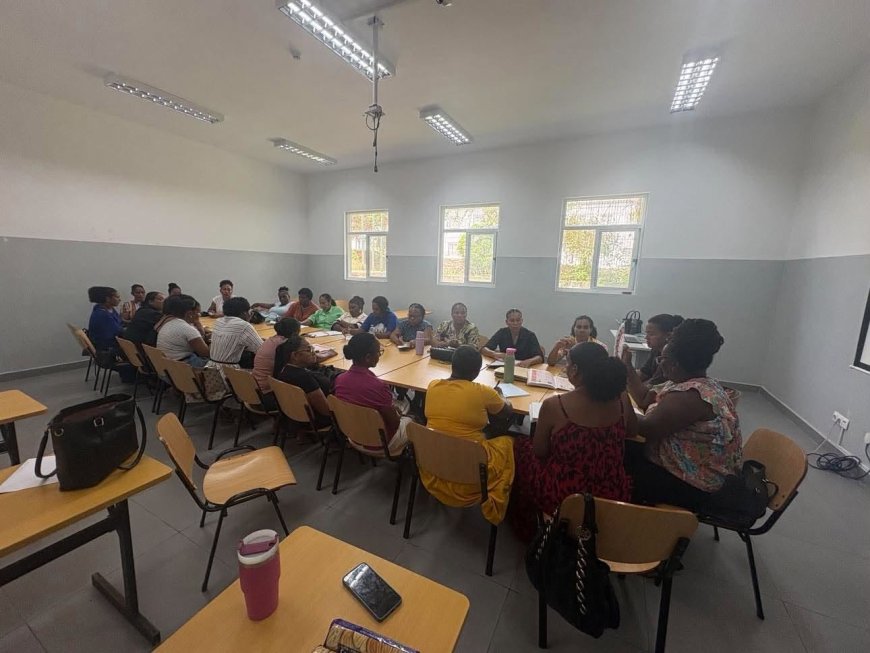
However, although the role has existed for many years, it seems that a true professional and legal framework is still lacking. The need arose, professionals were brought in to meet it, but a legal framework clearly defining their roles, rights, duties, and career path was not established with the same rigor.
The women who perform these roles deserve our full respect and recognition. They are professionals who, for the most part, work with dedication, affection, and responsibility because they love children and take on the important daily task of guiding, caring for, and supporting them during a crucial stage of their development.
This is not a menial or secondary job. Working with children requires patience, attention, responsibility, sensitivity, and the ability to deal with different needs on a daily basis. Therefore, those who perform this role should have their work duly recognized and valued by the responsible authorities.
The problem was not created by the childcare workers. They agreed to work, fulfilled their duties, and, in many cases, dedicated years of their lives to this work. If there is currently a lack of clarity regarding their status or employment framework, the responsibility for this lies with the institutions that created and maintained this structure—not with the workers who ensure its operation.
Since this is an area under the responsibility of the municipal governments, it is legitimate to demand a clear response from these entities. It is not enough to rely on these professionals only when they are needed; it is also necessary to guarantee them an appropriate legal and professional framework, with clearly defined rights and duties.
A situation of uncertainty that has dragged on for years cannot be considered normal. If the role is necessary and permanent, there must also be a permanent professional and institutional solution. It is unreasonable to hold workers accountable without, in return, providing them with clarity regarding their status and rights.
Childcare workers therefore have every right to demand recognition and respect. Asserting their rights does not mean creating problems; it means drawing attention to a problem that already exists. Their demands must be heard and seriously discussed by the responsible authorities.
Valuing these professionals also means valuing children and families. A society that recognizes the importance of early childhood education must equally recognize those who work in this sector every day. We cannot advocate for the importance of childhood while simultaneously ignoring those who carry out an essential part of this work.
It is time to fill this gap and find a solution. The childcare workers have done and continue to do their part; now it is up to the institutions to assume their responsibilities. Recognizing, regulating, and respecting these professionals is not a favor: it is a matter of justice, dignity, and responsibility. Allowing this situation to remain unresolved for so many years is, quite simply, a disgrace.
Manuel Miranda